
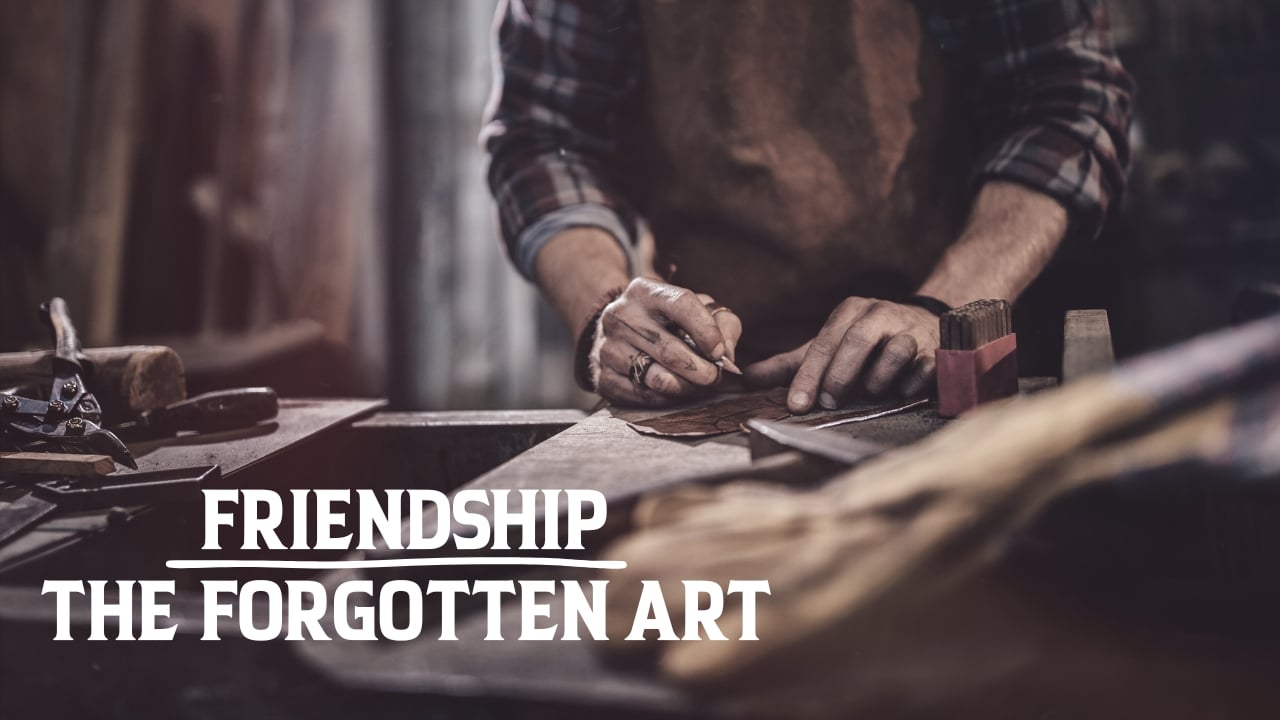
MOVING MEN’S MINISTRY BEYOND A TRANSACTION ECONOMY
I was walking through a coffee shop the other day, and I noticed something peculiar. Everyone was there, physically present, but nobody was really there. They were checking their phones, scrolling through Instagram, measuring their lives against carefully curated highlight reels. It struck me that we’ve created this strange paradox: we’re more connected than ever, yet more lonely than we’ve ever been.
Much of it seems to simply be a reflection of American culture. Everything we do is transactional. Very little is done anymore simply because it’s good for us.
Simon Sinek has been talking about this recently, and his research reveals something profound about our modern crisis. The simple act of being a better friend — and having close, positive relationships in your life — can make you healthier, he says. But here’s the thing that keeps me up at night – we’ve turned friendship into another transaction.
Think about it. We network instead of befriend. We collect LinkedIn connections like baseball cards. We measure relationships by what they can do for us rather than who they help us become. It’s this weird commodification of human connection that Jesus would have flipped tables over.
The Bible has this beautiful phrase in Proverbs 18:24: “One who has unreliable friends soon comes to ruin, but there is a friend who sticks closer than a brother.”
Notice it doesn’t say “a friend who can advance your career” or “a friend who looks good in your social media posts.” It talks about sticking close, about reliability, about covenant.
That word “covenant” is important because it’s the opposite of transactional. A covenant says, “I’m here whether you’re useful to me or not.” It’s what God offers us, and it’s what He’s calling us to offer each other. Jesus told His disciples in John 15:15, “I no longer call you servants, because a servant does not know his master’s business. Instead, I have called you friends.”
Think about that for a second. The Creator of the universe calls us friends. Not because we earned it, not because we bring something to the table, but because that’s the kind of God He is.
But somewhere along the way, we started believing the lie that friendship is a luxury we can’t afford. We sacrifice deep relationships for shallow success. We choose networking events over dinner with people who actually know our middle names. We’ve bought into this narrative that vulnerability is weakness and that asking for help is failure.
Sinek points out something fascinating about human biology – friendship is the ultimate “biohack,” capable of mitigating stress, anxiety, depression, and even addiction. God literally wired us for connection. When we isolate ourselves in pursuit of achievement, we’re working against our own design.
The early church understood this. Acts 2:46-47 describes how they “broke bread in their homes and ate together with glad and sincere hearts, praising God and enjoying the favor of all the people.” They didn’t just meet for church services; they did life together. They shared meals, resources, stories, and struggles.
Here’s what I think happened: we started measuring our worth by our productivity instead of our relationships.
We began to see people as means to ends rather than ends in themselves. We turned friendship into a side hustle.
Sacred friendship calls us to something radically different. Ecclesiastes 4:12 reminds us that “a cord of three strands is not quickly broken” – speaking of friendships rooted in God. These aren’t relationships that exist to make us feel better about ourselves or to help us climb some ladder. They’re sacred spaces where we practice loving someone without expecting anything in return.
True sacred friendship, the kind that reflects God’s heart, requires us to show up when it’s inconvenient. To listen when we’d rather talk. To celebrate someone else’s success when we’re struggling with our own failures. It’s messy and costly and beautiful.
Maybe it’s time we stopped treating friendship like a luxury and started seeing it as what it really is – a reflection of the God who calls us His own, not because of what we bring to the relationship, but simply because He loves us. In a world obsessed with transactions, perhaps the most radical thing we can do is learn the lost art of covenant, sacred friendship.
That’s the kind of friend Jesus was. That’s the kind of friend He’s calling us to be.